

In partnership with

Master ChatGPT for Work Success

ChatGPT is revolutionizing how we work, but most people barely scratch the surface. Subscribe to Mindstream for free and unlock 5 essential resources including templates, workflows, and expert strategies for 2025. Whether you're writing emails, analyzing data, or streamlining tasks, this bundle shows you exactly how to save hours every week.

This newsletter drop summarizes one of my trips to the LBJ National Grasslands. I dove into the history a little more than usual, If you follow the YouTube channel, this will likely answer any questions you had about locations, camp conditions, and the history behind the grasslands. If you are not a subscriber but are planning a trip this will provide a good starting point and inspiration.
A brief history dive into the grasslands
~Native Americans of the grasslands
The Choctaw and Comanche tribes were the primary native groups that inhabited the land. The Choctaw practiced more of an agricultural way of life, growing and harvesting crops. The Comanche’s were nomadic horseback hunters. Relying mostly on Bison for food, shelter, clothing, tools, and weapons.
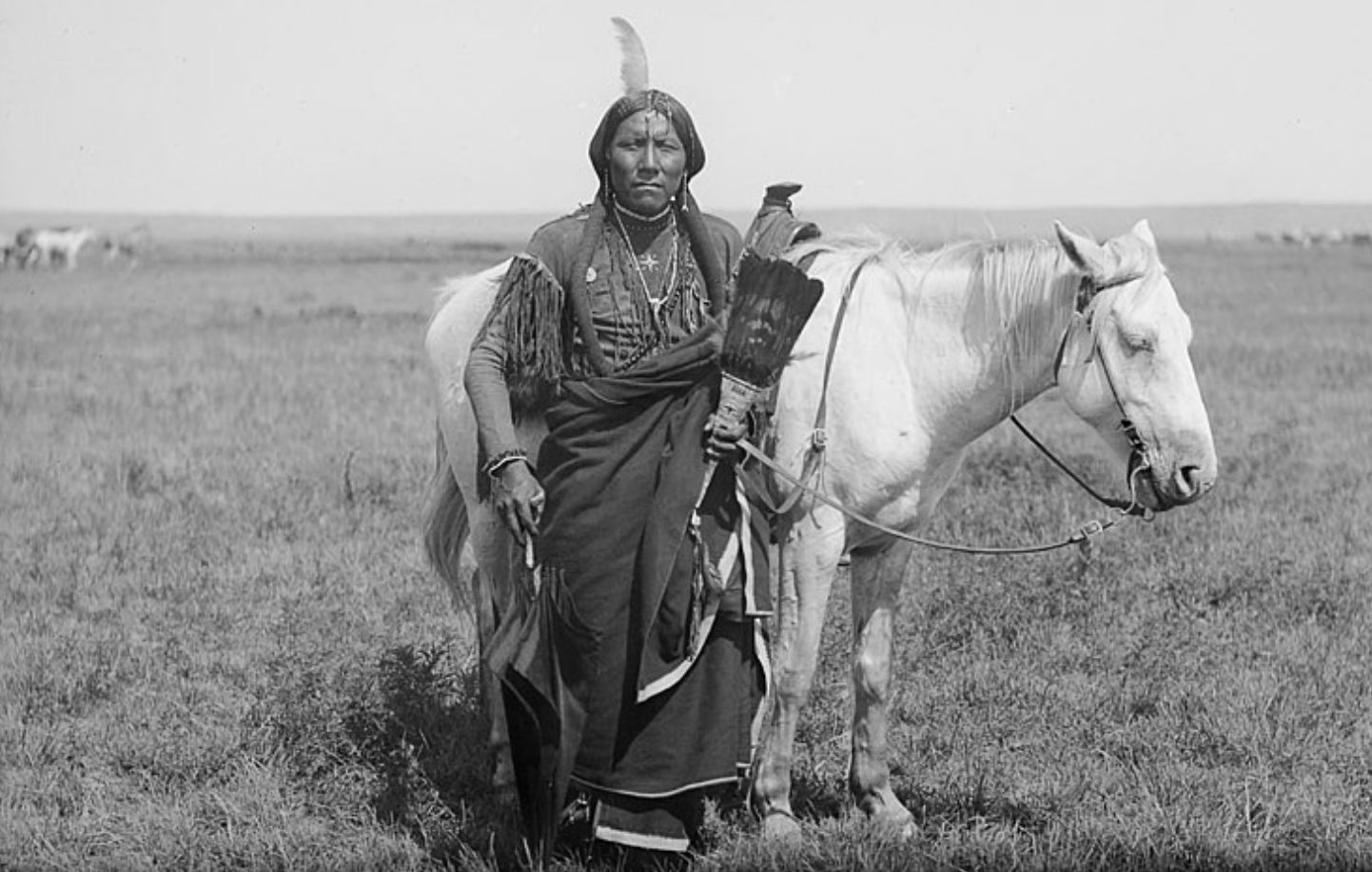
Comanche Warrior
~ European Settlers
The Native tribes were eventually forced to Oklahoma which was Indian territory at that time by settlers, and the new farming practices along with a historic drought would eventually lead to the dust bowl.
~ Federal Response
Under the New Deal, the federal government launched an unprecedented program to buy back submarginal, eroded farmland from willing (or bankrupt) sellers.
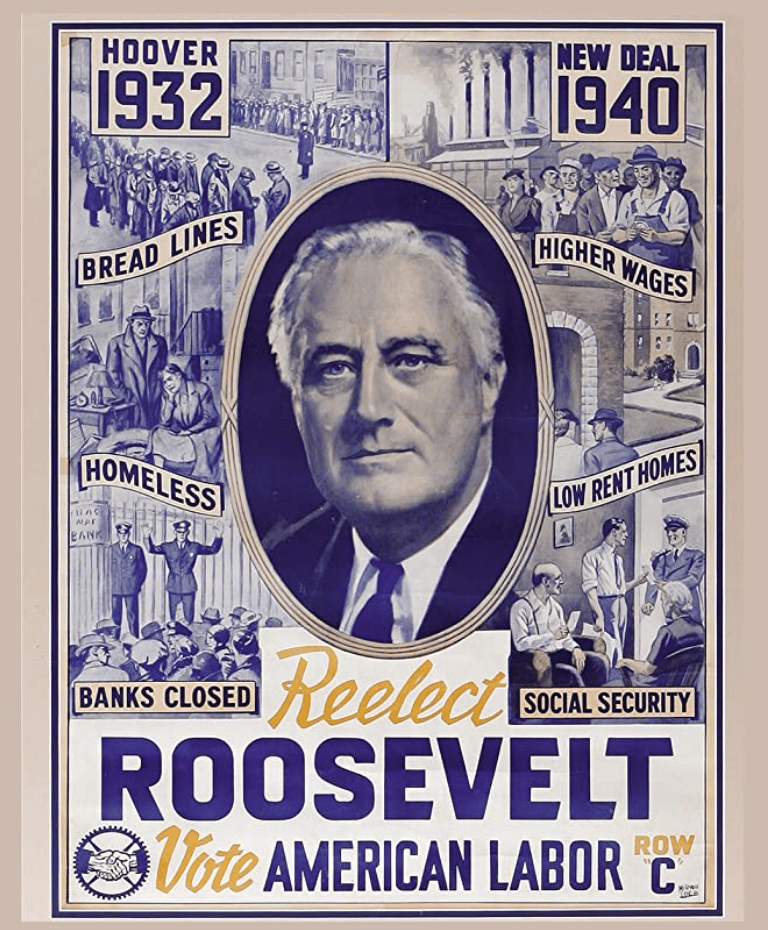
The LBJ grasslands were purchased in the 1930’s via the New Deal
In 1974 the LBJ grasslands were officially designated as a national grassland. The national grasslands represent one of the largest ecological restoration projects in U.S. history—an attempt to undo the worst mistakes of the Dust Bowl and permanently protect the remaining fragments of the once-vast American prairie. Unlike national parks, they allow grazing, oil and gas extraction, and hunting—reflecting their origins as working landscapes meant to support rural communities while healing the land.
Destination
~ The LBJ Grasslands. Over 20000 acres of public land full of recreational opportunities. From hunting, fishing, horseback riding, and what I come in search of, dispersed truck camping. The grasslands are a patchwork of public lands with sections of private land which can make traversing through difficult at times. However, great campsites can still be found and is a worthwhile place for a quick getaway.
Trails and Route
~ All of the trails are easy gravel county and forest service roads that can be accessed by any vehicle.
~ I covered at least 35 miles of various pockets of the grasslands. I traversed up and down old Decatur road, turning off into different sections. I explored some cool campsites, old pump jacks, and a lake that I attempted to fish. Click the button below for a link to my onX data for this trip (For Members only).


If you would like to be a member click the button below for more info:
Points of interest
~ The old pump jack. A relic of the past and the ongoing mineral extraction that was apart of the Federal purchase of the dying farm land that was restored to what it is today. You could camp next to it if you want, nice open field and I saw a little fire ring with some charred wood.
Pump Jack Coordinates: 33.3274, -97.61556
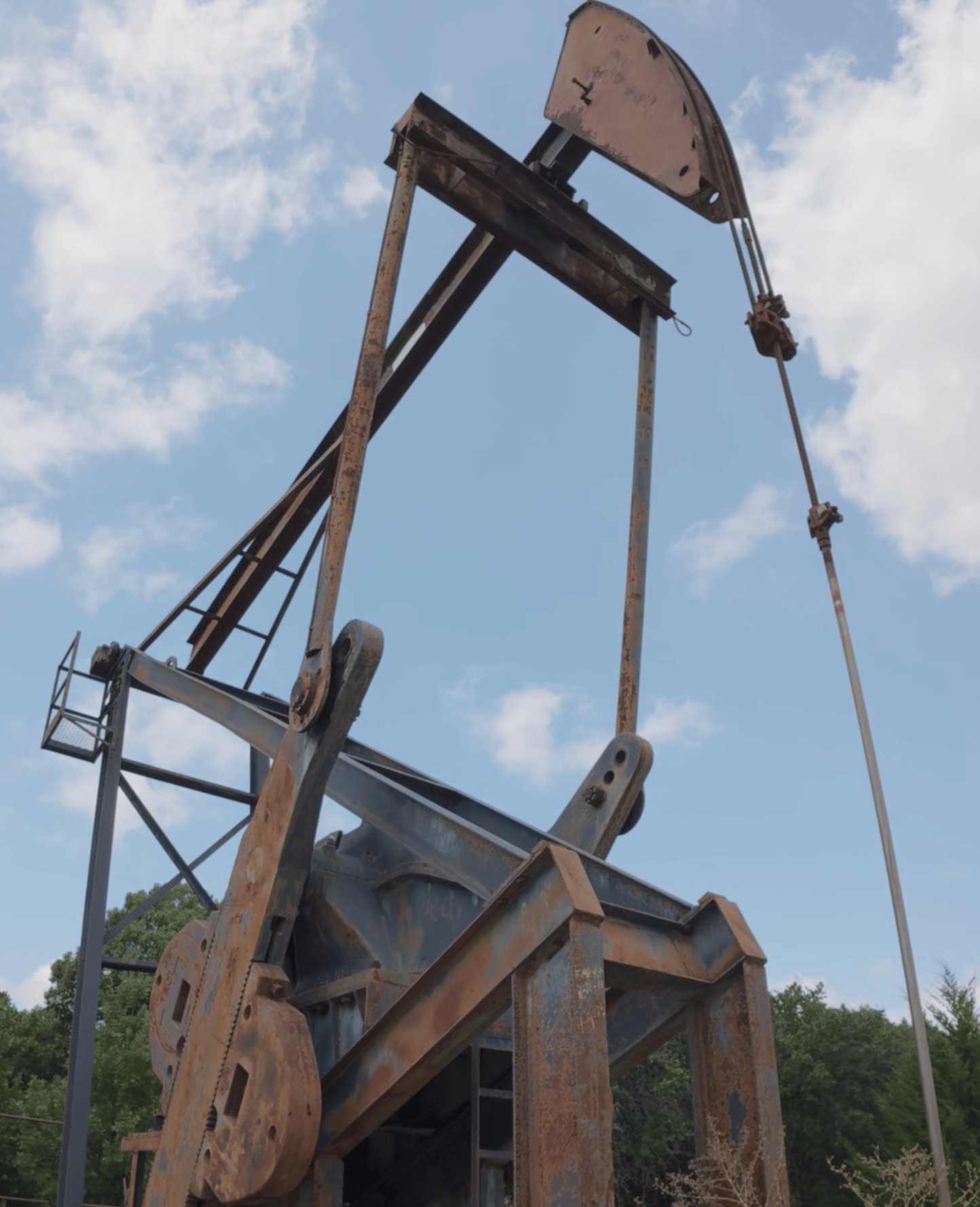
An Old Pump Jack
~ This campsite is on a mini bluff with a view of a mini tree filled canyon. It’s a cozy spot but the only downside is there is a lot of traffic on the road leading to it.
Campsite Coordinates: 33.30669, -97.6098


A burger at camp
Scripture of the month:
Look at the birds of the air: they neither sow nor reap nor gather into barns, and yet your heavenly Father feeds them. Are you not of more value than they?
Matthew 6:26
Link to video below:
